
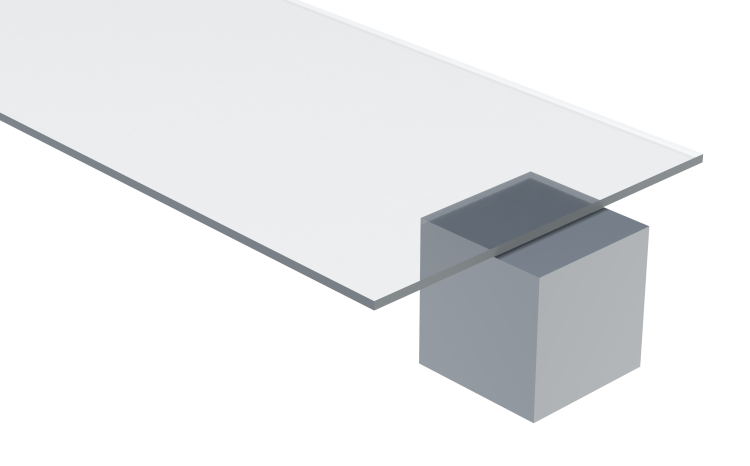





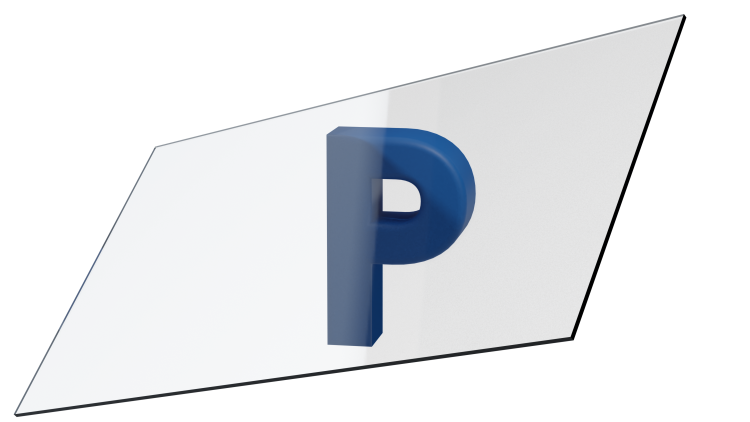


Acrylic, also known as plexiglass, is a tough and transparent plastic product that serves as an ideal alternative to standard glass. Acrylic rod is ten times stronger than standard glass yet half the weight.
Showing all 44 results


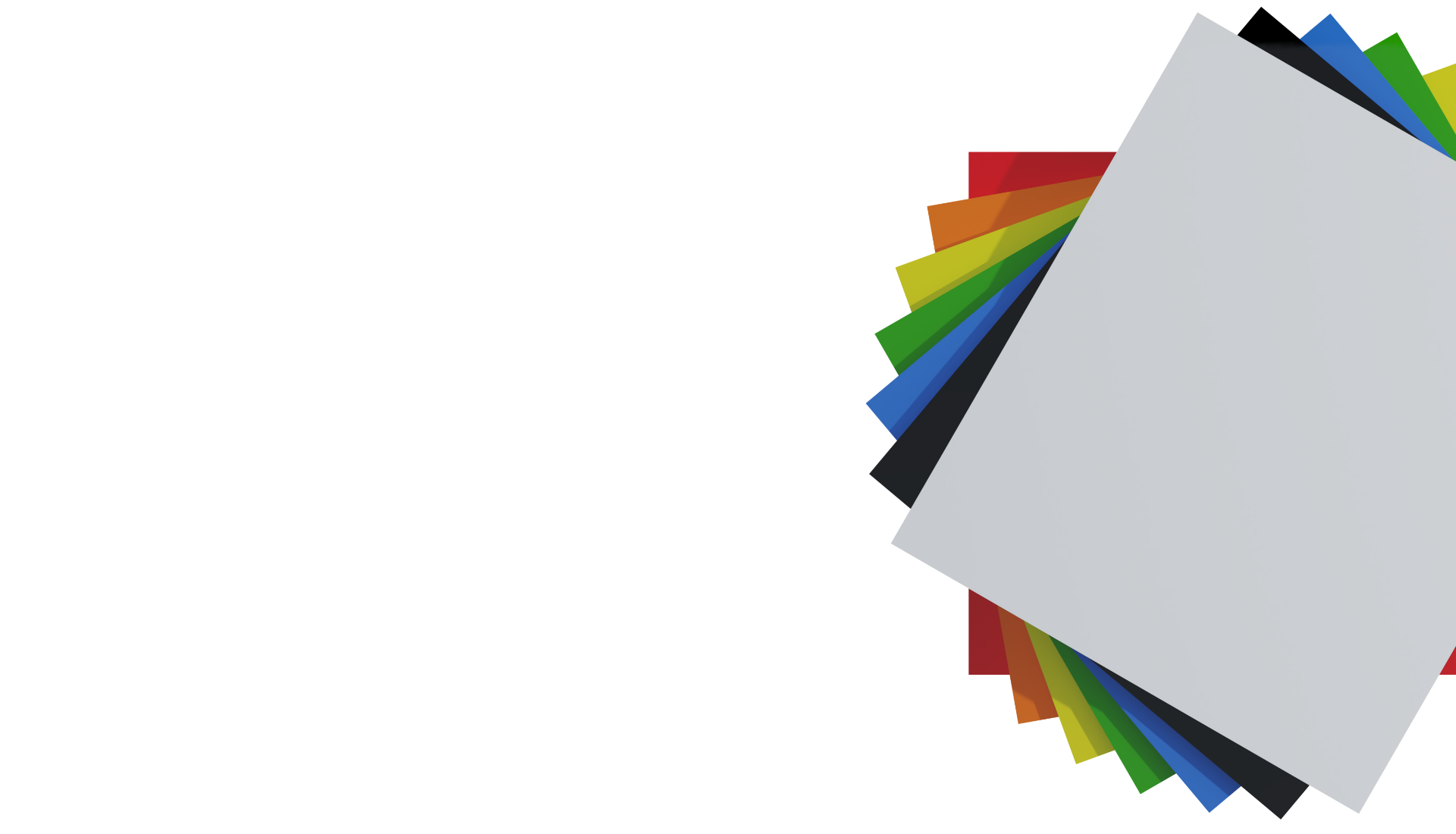
Acrylic, also known as Plexiglass, is a versatile plastic material with a variety of purposes and benefits, available in a spectrum of colors and opacities. Acrylic plastic was first produced in 1928 and brought to the market by Rohm and Haas Company around 1933. It was initially used during World War II for products such as airplane windows, canopies, and turrets.
Acrylic is an extremely durable material that is a much stronger alternative than glass because of its resistance to high pressure and impact. As well as its incredible resistance to weather and temperature, thus making acrylic an extremely long-lasting material that won’t shatter.
Acrylic is simple to clean and polish using a clean cloth and cleaning compounds. It is possible to remove light scratches from acrylic with special abrasive compounds.
| Property | Acrylic |
|---|---|
| Tensile Strength (psi) | 10,000 psi |
| Flexural Modulus of Elasticity (psi) | 480,000 psi |
| Izod Impact (ft-lbs/in) | 0.4 ft-lbs/in |
| Heat Deflection Temperature (°F) | - / 195 °F |
| Water Absorption (%) | 0.20 % |
| Light Transmittance (%) | 92 % |
| Haze (%) | 2 % |
| Property | Acrylic |
|---|---|
| Specific Gravity | 1.19 |
| Water Absorption (%) | 0.20 % |
| Tensile Strength (psi) | 10,000 psi |
| Tensile Modulus of Elasticity (psi) | 400,000 psi |
| Tensile Elongation (%) | 4.5 % |
| Flexural Strength (psi) | 17,000 psi |
| Flexural Modulus of Elasticity (psi) | 480,000 psi |
| Compressive Strength (psi) | 17,000 psi |
| Hardness (Rockwell M&R, Shore D) | M95, Shore D 83 |
| Izod Impact (ft-lbs/in) | 0.4 ft-lbs/in |
| Property | Acrylic |
|---|---|
| Coefficient of Linear Thermal Expansion (in/in/°F x 10-5) | 4.0 in/in/°F x 10-5 |
| Heat Deflection Temperature (°F) | - / 195 °F |
| Max Continuous Service Temperature (°F) | 160 °F |
| Dielectric Strength (V/mil) | 430 V/mil |
Light transmission is the technical term for transparency to light. Acrylic has a 92 percent light transmittance rate — one of the highest light transmission rates possible.


ACRYLITE® LED rod is ideal for transmitting high-powered LED light. Its unique light-conducting properties distribute light evenly throughout the entire rod surface. As light enters from the end, embedded colorless diffuser particles scatter the light forward and exit the surface at low angles. This results in uniform bright illumination. ACRYLITE® LED light-guiding rods are the only product on the market today offering light transmission in a round rod form.

Light Transmission


Fluorescent acrylic is clear when lit from the side, diffuses and allows a uniform illumination of its edges and laser engravings. Fluorescent acrylic offers all the impact strength and weather resistance of cast acrylic.
Mirror acrylic is a lightweight, reflective thermoplastic sheet material used to enhance the look and safety of displays, POP displays, signage, and a variety of fabricated parts. Mirror acrylic is ideal for retail, food, advertising, and security applications.
Mirror acrylic is 17 times stronger than glass, meaning they can withstand and survive greater impacts, such as bangs, collisions, or crashes well. Its strength makes mirror acrylic ideal for use where safety is a priority or where glass may crack or shatter.
Two-way see-through mirror acrylic allows a percentage of light to pass through, while reflecting the remainder. This allows for one side to be see-through whilst the other appears as a mirror.
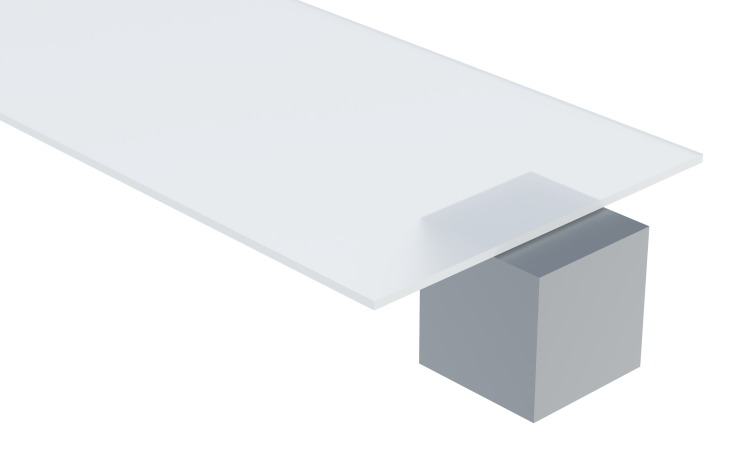
Frosted acrylic sheets are a specialty sheet that is manufactured to resemble “frost” on a typical clear acrylic sheet. Typically referred to as a “heavy matte” appearance, this acrylic sheet is a standard choice for design applications requiring privacy or design effects with lighting.
Non-glare plexiglass (P-99) is designed to minimize glare and reflection as well as maximize the unhindered viewing of framed artwork and prints, making it an excellent solution for art galleries, museums, studios, and more.
Non-glare acrylic is designed to reduce or eliminate the glare of bright, reflective light.
ACRYLITE® UV filtering (OP-3) is a continuously manufactured acrylic sheet which filters out 98 percent of damaging UV rays, protecting paper artwork, prints, and documents from fading, yellowing, and cracking.

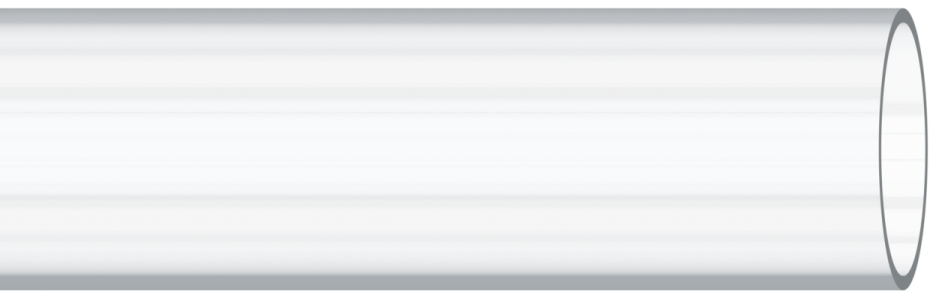
Acrylic tubes are made of polymethyl methacrylate (PMMA), which is a broad range use thermoplastic. This is the material to choose if you need excellent optical clarity (signage), and would like to fabricate by adding glue, polish, or thermoforming.

An 1/8″ thick piece of acrylic is 2 to 3 times more impact resistant than double strength window glass, and 4 to 5 times more impact resistant than wire glass or other glasses. A 1/4″ thick piece of acrylic is 9 to 10 times more impact resistant than wire or other glasses.
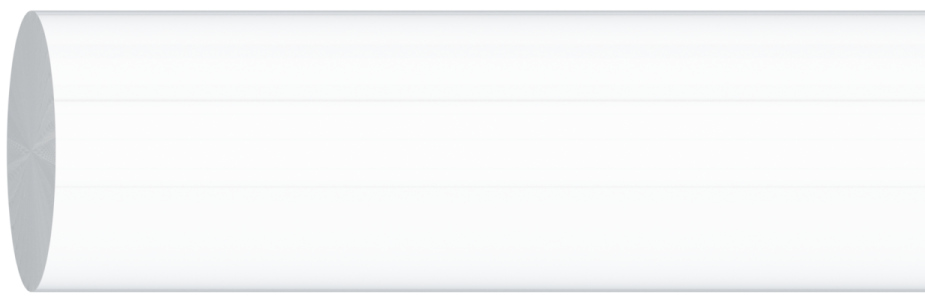
Acrylic rods have great impact strength while also being lightweight. Acrylic, also known as plexiglass, can be used in a number of applications such as signage, displays, model making, aquarium tanks, arts & crafts, and much more. Acrylic (plexiglass) can be sawed, drilled, painted, and decorated

Acrylic, also known as plexiglass, is a tough and transparent plastic product that serves as an ideal alternative to standard glass. Acrylic rod is ten times stronger than standard glass yet half the weight.