


Showing all 4 results


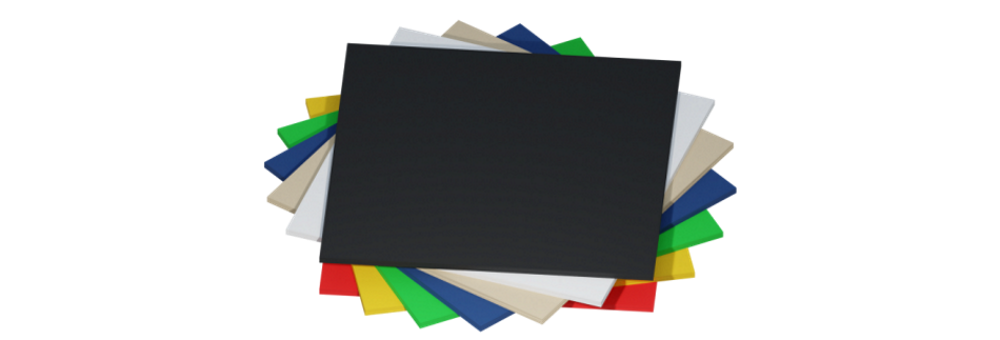
Polyvinyl chloride is the world’s third-most widely produced synthetic polymer of plastic. About 40 million tons of PVC are produced each year. PVC comes in two basic forms: rigid and flexible. The rigid form of PVC is used in construction for pipe and in profile applications such as doors and windows.
PVC foam offers many advantages, such as superior impact resistance, high strength, great durability, low water absorption, high corrosion resistance, and fire resistance to name a few. These benefits provide the perfect material to withstand all types of indoor and outdoor conditions, including harsh weather. PVC foam is also a great alternative to other materials, such as wood or aluminum, and can often last 40 years without experiencing any damage.
PVC does not require any extra maintenance to keep the material in optimal condition.
| Property | PVC |
|---|---|
| Tensile Strength (psi) | 7,500 psi |
| Flexural Modulus of Elasticity (psi) | 481,000 psi |
| Izod Impact (ft-lbs/in) | 1.0 ft-lbs/in |
| Heat Deflection Temperature (°F) | - / 158 °F |
| Water Absorption (%) | 0.06 % |
| Light Transmittance (%) | - |
| Haze (%) | - |
| Property | PVC |
|---|---|
| Specific Gravity | 1.42 |
| Water Absorption (%) | 0.06 % |
| Tensile Strength (psi) | 7,500 psi |
| Tensile Modulus of Elasticity (psi) | 411,000 psi |
| Flexural Strength (psi) | 12,800 psi |
| Flexural Modulus of Elasticity (psi) | 481,000 psi |
| Hardness (Rockwell M&R, Shore D) | R115, Shore D 89 |
| Izod Impact (ft-lbs/in) | 1.0 ft-lbs/in |
| Property | PVC |
|---|---|
| Coefficient of Linear Thermal Expansion (in/in/°F x 10-5) | 3.2 in/in/°F x 10-5 |
| Heat Deflection Temperature (°F) | - / 158 °F |
| Max Continuous Service Temperature (°F) | 140 °F |
| Dielectric Strength (V/mil) | 544 V/mil |
Type 2 PVC sheet refers to a variant of polyvinyl chloride (PVC) that has been formulated to be more flexible and impact-resistant compared to the more rigid Type 1 PVC.
Type 2 PVC is commonly used in applications such as liners, gaskets, and industrial settings where durability and flexibility are essential.
Type 2 PVC is generally chosen for more demanding environments where increased toughness and flexibility are necessary compared to rigid Type 1 PVC.


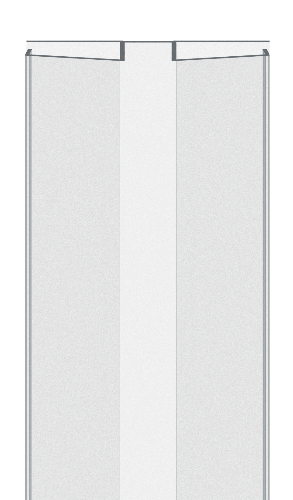
Plastic living hinges are a great alternative to steel hinges for many reasons such as: Plastic is non-corrosive, meaning it won’t rust or breakdown like steel and other metals. Plastic hinges are cheaper, more durable, long lasting, require little to no maintenance, and will not squeak over time like metal hinges. Living hinges can hold materials with or without adhesives.

Get a fast response from our team.
We'll get back to you shortly.
Need to add more details? Use our full form